Many homeowners comparing outdoor shade solutions eventually narrow their choices down to a zip screen or a retractable awning. Both systems help protect outdoor spaces from Singapore’s intense sunshine and sudden rain, but they are designed to solve different challenges. Choosing the right system depends on how the space is used, the direction of sun exposure, privacy requirements, and the level of weather protection needed.
Whether you are considering an awning Singapore installation for a landed patio or a zip screen for a condo balcony, understanding the strengths and limitations of each option can help you make a smarter long-term investment.
Understanding the Difference Between a Zip Screen and Retractable Awning
What Is a Zip Screen Designed to Do?
A zip screen is a vertically operated shading system that uses guided side tracks to keep the fabric securely in place. Unlike conventional outdoor blinds, the fabric is locked into the tracks, providing greater stability against wind and weather.
A zip screen is commonly installed on balconies, patios, verandas, and semi-outdoor spaces where privacy, glare reduction, and protection from wind-driven rain are important. Systems such as the ZipSystem are designed to improve stability and weather resistance in Singapore’s challenging outdoor conditions.
What Is a Retractable Awning Designed to Do?
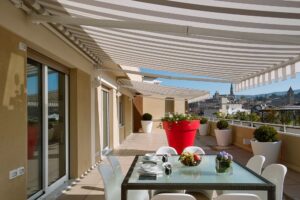
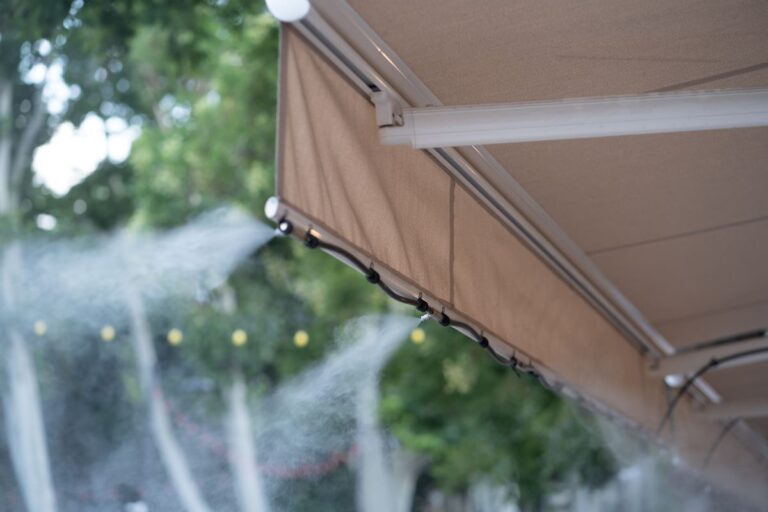
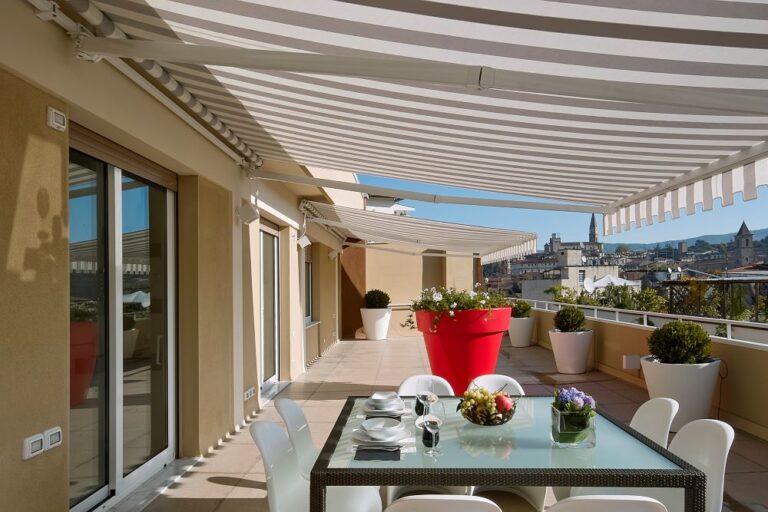
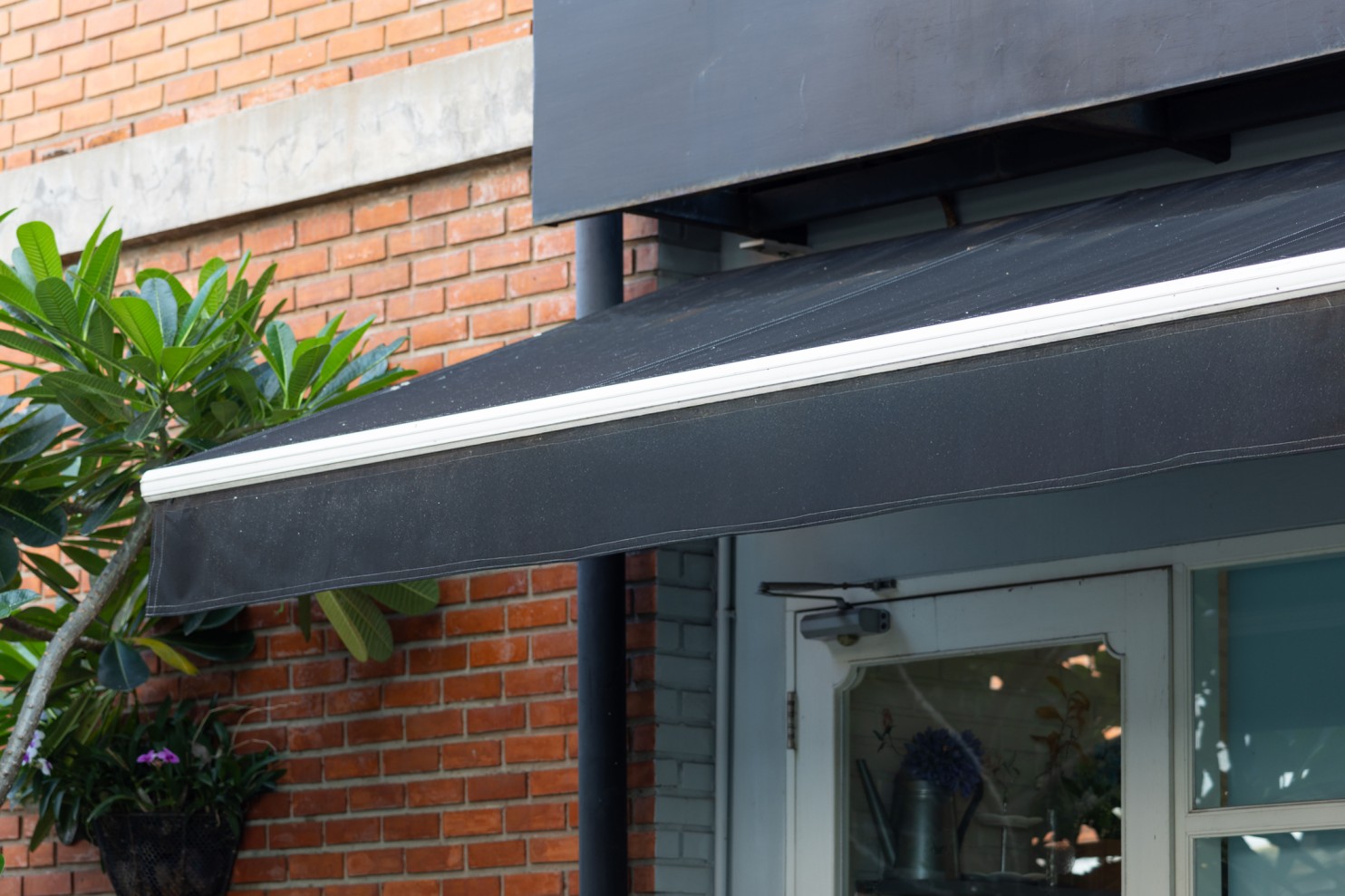
A retractable awning is a horizontally extending shading system that projects outward from a wall or structure. It provides overhead coverage and can be extended or retracted according to weather conditions.
Unlike a zip screen, which protects from the sides, a retractable awning focuses primarily on shielding outdoor areas from direct sunlight and rain from above. This makes it particularly suitable for patios, outdoor dining areas, and roof terraces.
Why Homeowners Often Compare Them
Both systems belong to the broader category of outdoor shade solutions, but they serve different purposes. Homeowners often compare them because both improve outdoor comfort, yet the choice depends largely on whether side protection or overhead coverage is the primary concern.
Which System Performs Better Against Singapore Heat
How a Zip Screen Blocks Low-Angle Afternoon Sun
One of the biggest challenges in Singapore is west-facing afternoon sunlight. Many balconies receive strong side exposure between 3pm and 6pm, creating uncomfortable heat buildup.
A zip screen performs particularly well in these situations because it blocks sunlight before it enters the space. This reduces glare and helps lower the temperature of the balcony area.
How a Retractable Awning Creates Overhead Shade
A retractable awning is highly effective when the sun is directly overhead. By creating a shaded zone beneath the structure, it reduces surface temperatures on flooring, outdoor furniture, and walls.
For homeowners with roof terraces or garden patios, a retractable awning often provides more effective overhead shade than vertical screening systems.
Which Creates a Cooler Outdoor Space?
| Heat Challenge | Better Solution |
| Side sunlight | Zip Screen |
| Overhead sunlight | Retractable Awning |
| Balcony glare | Zip Screen |
| Patio shade | Retractable Awning |
| Outdoor dining comfort | Retractable Awning |
If you are dealing with excessive heat on your balcony, our guide on Why Some Outdoor Blinds Singapore Homes Still Feel Hot explains how airflow, orientation, and shading systems affect outdoor comfort.
Zip Screen vs Retractable Awning for Rain Protection
How Zip Screens Handle Wind-Driven Rain
Singapore rain often arrives with strong winds. This means rain frequently enters from the side rather than falling vertically.
In these situations, a zip screen offers excellent protection by acting as a vertical barrier that reduces rain penetration while maintaining ventilation.
How Retractable Awnings Protect Outdoor Areas
A retractable awning provides broader coverage over outdoor spaces and is effective during light to moderate rainfall. It helps keep seating areas and outdoor furniture dry while maintaining an open-air environment.
When an Awning Roof Is the Better Solution
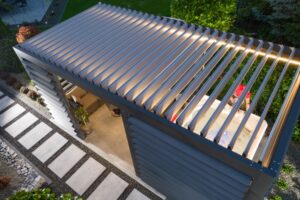
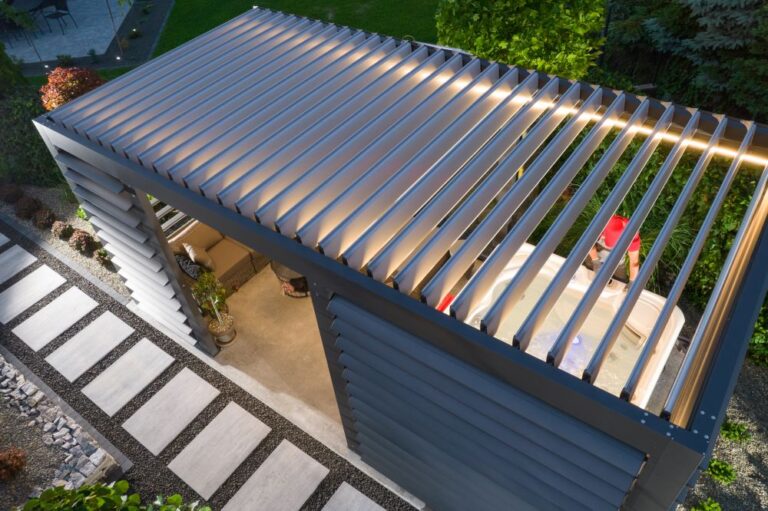
For larger outdoor areas, an awning roof system may provide better long-term protection than either option alone. An awning roof creates a more permanent weather-protected space while maintaining flexibility through retractable mechanisms.
Wind Resistance and Durability Comparison
Why Zip Screen Systems Perform Better in High-Rise Condos
High-rise buildings experience stronger wind exposure than landed homes. This is where the guided track design of a zip screen becomes particularly valuable.
The tensioned fabric remains stable even during gusty conditions, making it a popular solution for condo balconies across Singapore.
Wind Considerations for Retractable Awning Systems
Homeowners comparing different shading solutions may also find our article Retractable Roof vs Pergola Singapore for Outdoor Comfort useful when evaluating larger outdoor areas such as roof terraces and patios.
Which Lasts Longer in Singapore Weather?
Both systems can perform exceptionally well when professionally installed. Longevity depends on:
- material quality
- motor reliability
- installation standards
- maintenance practices
Choosing an experienced provider is often more important than the product category itself.
Common Mistakes When Choosing Between Zip Screen and Retractable Awning
Choosing Based on Appearance Alone
Many homeowners prioritise aesthetics without considering how the space behaves throughout the day. A visually appealing system may not provide the protection actually needed.
Ignoring Property Orientation
The direction a property faces significantly affects performance.
- West-facing homes often benefit from zip screens.
- Open patios often benefit from retractable awnings.
- Roof terraces may require larger awning roof systems.
Assuming One System Solves Every Problem
A common mistake is expecting one solution to handle every weather condition. In reality, side protection and overhead protection are separate challenges.
Which System Is Right for Your Property
Best for Condo Balconies
A zip screen is often the preferred solution for balconies because it provides privacy, wind resistance, and side protection.
Best for Landed Home Patios
A retractable awning generally performs better in outdoor entertaining spaces where overhead shade is the main requirement.
Best for Roof Terraces
Roof terraces frequently benefit from larger awning roof or retractable systems designed for wider coverage areas.
How to Choose the Right Outdoor Shade Specialist
Why Site Assessment Matters
Every property experiences different levels of sun exposure, airflow, and rain penetration. A professional site assessment helps determine whether a zip screen, retractable awning, or another solution is most appropriate.
What Experienced Installers Evaluate
An experienced specialist like Alpha Shading evaluates:
- orientation
- wind conditions
- structural support
- intended usage
- fabric requirements
This ensures the system performs effectively in Singapore’s demanding climate.
If you are planning an outdoor upgrade, reaching out through the contact page can help you explore solutions tailored to your space.
Choosing the Right Outdoor Shade Solution for Long-Term Comfort
The decision between a zip screen and a retractable awning is not about which system is universally better. It is about identifying the specific problem you are trying to solve.
A zip screen excels at privacy, side protection, and wind resistance. A retractable awning excels at overhead shade, outdoor entertaining, and flexible coverage. By matching the system to the property’s layout and exposure conditions, homeowners can create outdoor spaces that remain comfortable, practical, and enjoyable throughout the year.